Source shock absorption removable insole for Work, Sports, and Daily Use
Compare 30 shock absorption removable insole options from verified suppliers. Buyers can evaluate materials, sizes, and customization features for work, sports, and daily comfort needs.
Key considerations
Products List


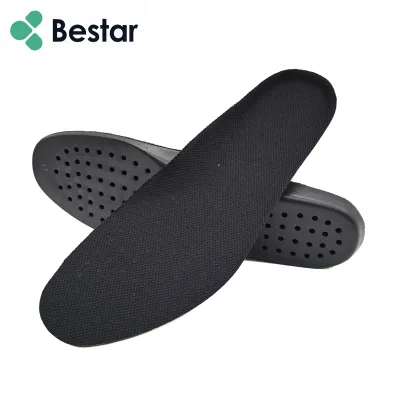


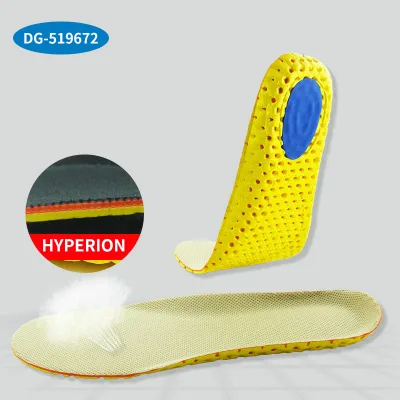
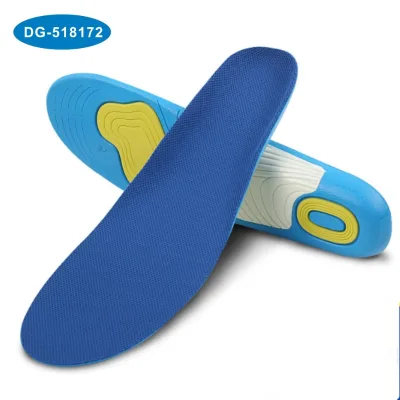


Comprehensive Sourcing Guide
Strategic Sourcing Guide for Shock Absorption Removable Insoles
The global demand for ergonomic footwear components has driven a significant expansion in the market for shock absorption removable insoles. For B2B procurement professionals, navigating this sector requires a disciplined approach that balances technical performance with supply chain reliability. The core product category encompasses a diverse range of materials and configurations, from simple polyethylene foam inserts to complex multi-layer systems designed for industrial and athletic applications. This guide provides a structured framework for evaluating suppliers, verifying technical specifications, and ensuring compliance without relying on unverified marketing claims.
Technical Specifications and Material Composition
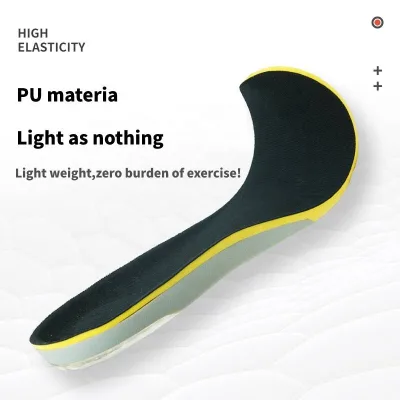
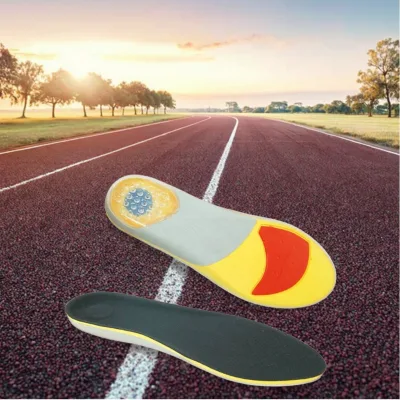
Understanding the physical composition of shock absorption insoles is the first step in defining procurement requirements. The market offers products constructed from various material blends, each offering distinct performance characteristics. Based on observed product attributes, high-performance insoles often utilize a composite of PU (Polyurethane), GEL, TPU (Thermoplastic Polyurethane), PES (Polyester), and MESH fabrics. This multi-material approach is critical for achieving the dual goals of shock absorption and rebound, which are frequently cited as key performance metrics.
The structural integrity of these insoles often depends on the specific combination of these materials. For instance, PU foam combined with fabric provides a balance of cushioning and breathability, while the inclusion of GEL and TPU layers enhances the mechanical ability to dissipate impact forces. Buyers must verify the exact material breakdown, as the ratio of these components directly influences the product's durability and comfort profile.
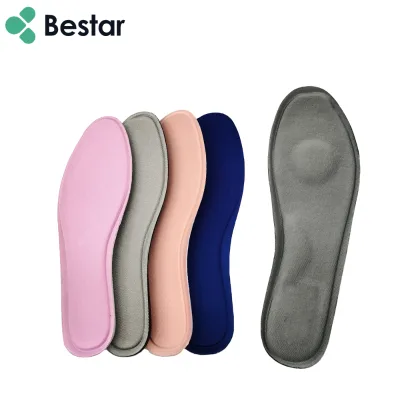
Size standardization is another critical technical variable. The supply base demonstrates a wide range of sizing conventions, including specific EUR size bands such as 36-37, 38-39, 40-41, 42-43, 44-45, and 45-46. Some products are marketed as "One size fits all," while others adhere to specific cut standards like "free cut" or predefined sizes such as S, M, and L. Procurement teams must align their target market's sizing requirements with the supplier's available standard specifications to avoid inventory mismatches.
| Feature Category | Observed Specifications | Procurement Verification Point |
|---|---|---|
| Material Composition | PU+GEL+TPU+PES+MESH, PU Foam+Fabric | Request material safety data sheets and composition ratios. |
| Size Standards | EUR 36-46, S/M/L, Free Cut, One Size | Confirm compatibility with target footwear models. |
| Functional Attributes | Shock absorption, Relief Foot Pain, Anti-static | Validate specific performance claims through third-party testing. |
| Packing Standards | OPP Bag, Polybag, Polybag+Papercard | Ensure packaging meets retail display and logistics requirements. |
Compliance and Certification Verification
In the footwear accessory sector, regulatory compliance is a non-negotiable aspect of procurement, particularly for products intended for medical or industrial use. While general consumer insoles may not require rigorous certification, specific product lines, such as those designated for medical applications, often carry certifications like Medical CE. Buyers must treat such certifications as product-specific attributes rather than universal guarantees for all SKUs within a supplier's catalog.
The presence of a Medical CE certificate indicates that a specific model has undergone assessment against relevant European health and safety standards. However, procurement teams should not assume that every insole from a supplier bearing this certification meets the same standard. It is essential to cross-reference the certificate with the specific model number, such as DG-519121 or BS-6137, to ensure the certification applies to the exact item being purchased.
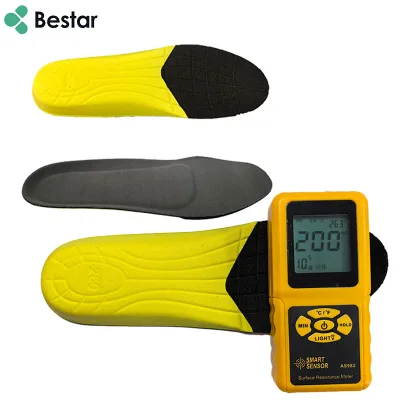
Beyond medical certifications, buyers should verify if the product meets industry-specific standards for anti-static properties or other functional claims. The observed attribute of "anti-static" functionality suggests a need for verification in environments where static electricity poses a risk. Since specific test results and standard numbers are not universally provided in general product listings, buyers must request the specific test reports and standard numbers (e.g., ISO, ASTM) that validate these claims before finalizing an order.
Cost Drivers and Pricing Dynamics
The pricing structure for shock absorption removable insoles is influenced by several variables, including material complexity, customization requirements, and order volume. The observed market price range spans from $0.31 to $8.50 USD, reflecting the vast difference between basic foam inserts and advanced multi-layer systems featuring gel and TPU components. This wide range indicates that price is a direct function of the material technology and manufacturing complexity involved.
Minimum Order Quantity (MOQ) is a significant cost driver in this sector. The market data reveals MOQs ranging from as low as 10 pairs to as high as 2000 pairs. High-volume orders, such as those requiring 2000 pairs, often correlate with more complex product specifications or OEM private label services. Conversely, lower MOQs may be available for standard, off-the-shelf items. Buyers must balance their inventory needs against the unit cost, understanding that higher volumes typically yield better per-unit economics but require greater capital commitment.
Customization is another factor that impacts cost. The availability of OEM (Original Equipment Manufacturer) and ODM (Original Design Manufacturer) services, including private label acceptance, allows brands to differentiate their products. However, these services often entail additional tooling costs or higher MOQs. The decision to pursue customization should be weighed against the projected sales volume and the strategic value of brand differentiation.
Typical Applications and Use Cases
Shock absorption removable insoles serve a variety of applications, ranging from general comfort enhancement to specialized industrial and medical needs. The functional attributes observed in the market, such as "Relief Foot Pain" and "Shock absorption," point to a primary use case in the footwear industry for both athletic and everyday wear. These insoles are designed to reduce the impact of walking or running on the joints, making them suitable for sports enthusiasts and individuals with active lifestyles.
In the industrial sector, the specific mention of "Work insoles" and "anti-static" properties highlights their application in environments where workers stand for extended periods or where static discharge is a hazard. These insoles are often integrated into work boots or safety shoes to provide ergonomic support and compliance with workplace safety standards. The "Flexible" feature observed in product attributes further supports their use in heavy-duty footwear where movement and comfort are essential.
The versatility of these products is also evident in their compatibility with various shoe types. The "One size fits all" option suggests a broad applicability for general retail markets, while specific size ranges cater to professional footwear lines. Buyers should assess the specific needs of their end-users to determine whether a general comfort insole or a specialized work/medical insole is the appropriate procurement choice.
Supplier Evaluation and Capability Assessment
Evaluating potential suppliers requires a thorough review of their operational capabilities and product diversity. The supply base includes manufacturers with origins in China, specifically noting locations such as Fujian, which is a known hub for footwear manufacturing. When assessing suppliers, buyers should look for evidence of a diverse product portfolio, including models with different specifications like BS-6137, BS-W5045, and various other model numbers.
A critical aspect of supplier evaluation is their ability to handle customization. The market data indicates that many suppliers accept OEM and private label requests, offering flexibility for brands looking to create unique products. Buyers should verify the supplier's capacity to manage these custom orders, including their ability to handle specific packaging requirements like "Polybag or OEM" or "Polybag+Papercard."
Sample delivery times are another key metric for supplier evaluation. Observed sample delivery windows of 5 to 7 days suggest a responsive supply chain, which is crucial for the prototyping and sampling phase of product development. However, buyers should confirm that these lead times are consistent and apply to the specific product line they are interested in, as lead times can vary based on customization complexity and current production loads.
Quality Control and Performance Verification
Ensuring product quality is paramount in the insole market, where performance claims directly impact user satisfaction and safety. Buyers must implement a robust quality control strategy that goes beyond visual inspection. The observed attributes of "Top Quality" and specific performance claims like "Shock absorption and rebound" should be validated through independent testing.
Quality control protocols should include checks on material consistency, dimensional accuracy, and functional performance. For products claiming "anti-static" properties or specific shock absorption capabilities, third-party laboratory testing is recommended to verify these claims against recognized standards. The single gross weight of 0.500 kg and single package size of 35x15x5 cm provide baseline metrics for logistics and quality checks, ensuring that the delivered product matches the specified dimensions and weight.
Buyers should also verify the consistency of the "Number of Pieces" per package, which is observed as 2 for certain insole types. This ensures that the packaging is complete and ready for retail distribution. Regular audits of the supplier's production line and quality assurance processes can help mitigate the risk of receiving substandard products.
Long-Term Procurement Considerations
Sourcing shock absorption removable insoles is not merely a transactional activity but a strategic partnership that requires long-term planning. Buyers should consider the scalability of the supplier's production capacity to meet future demand growth. The wide range of MOQs, from 10 to 2000 pairs, offers flexibility for both small startups and established enterprises, but the ability to scale up production without compromising quality is essential.
Sustainability and material sourcing are increasingly important factors in long-term procurement. As the industry moves towards more eco-friendly materials, buyers should inquire about the environmental impact of the materials used, such as the sourcing of PU and TPU. Additionally, the longevity of the supplier relationship is crucial for maintaining consistent product quality and supply continuity.
Finally, buyers should maintain a dynamic approach to procurement, regularly reviewing market trends and technological advancements. The rapid evolution of materials and design in the insole sector means that what is considered "top quality" today may be superseded by new innovations tomorrow. Staying informed about new product models and technological developments will ensure that the procurement strategy remains competitive and aligned with market demands.
FAQs
What materials are used in shock absorption removable insoles?
High-performance insoles often utilize a composite of PU, GEL, TPU, PES, and MESH fabrics. This multi-material approach is critical for achieving the dual goals of shock absorption and rebound while ensuring durability.
Which certifications apply to medical grade shock absorption insoles?
Specific product lines designated for medical applications often carry certifications like Medical CE. Buyers must verify that the certificate applies to the exact model number being purchased rather than assuming it covers all SKUs.
How does the MOQ vary for shock absorption removable insoles?
The market data reveals MOQs ranging from as low as 10 pairs to as high as 2000 pairs. High-volume orders often correlate with complex product specifications or OEM private label services requiring greater capital commitment.
Can suppliers provide custom packaging for shock absorption insoles?
Yes, suppliers accept OEM and private label requests offering flexibility for brands. Packaging options include OPP bags, polybags, or polybags with papercards to meet specific retail display and logistics requirements.
What is the typical sample delivery time for shock absorption insoles?
Observed sample delivery windows are typically 5 to 7 days. Buyers should confirm that these lead times are consistent and apply to the specific product line they are interested in before finalizing orders.
Which size standards are available for shock absorption removable insoles?
Size standards include specific EUR size bands like 36-37 up to 45-46, as well as S, M, and L. Some products are marketed as one size fits all or free cut to suit various footwear models.
How does customization affect the pricing of shock absorption insoles?
Customization impacts cost through additional tooling or higher MOQs for private label services. The price range spans from $0.31 to $8.50 USD, reflecting the difference between basic inserts and advanced multi-layer systems.